Gen Z Redefines Friendsgiving Amidst Social Shifts and Economic Pressures

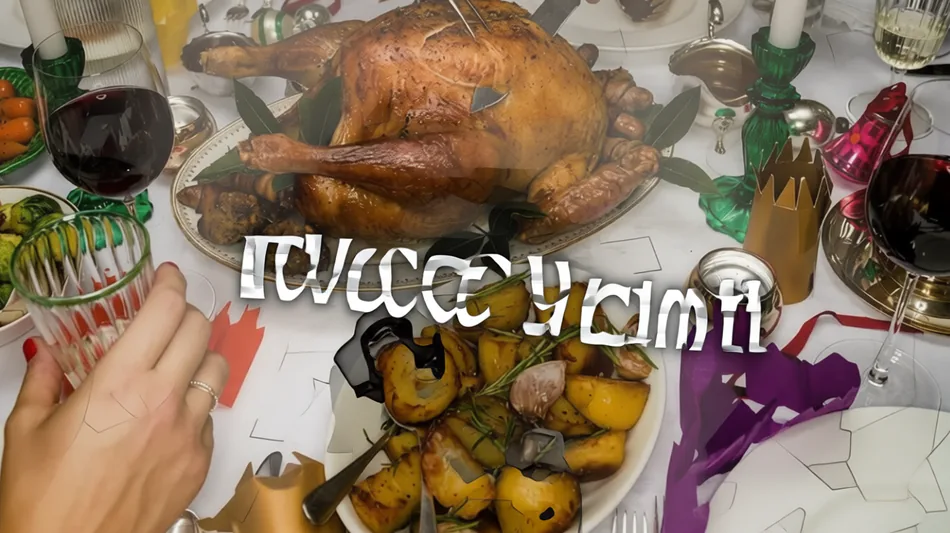
While viral videos depict young adults hosting alone after guests flake, data indicates that Gen Z is actually increasing its participation in Friendsgiving. Driven by high grocery costs and the need for community, younger generations are adapting the millennial tradition with casual themes and a focus on 'chosen family' over biological ties.
Viral videos circulating on TikTok have sparked a debate about the future of Friendsgiving among Generation Z, highlighting a tension between the desire for community and the reality of social isolation. One widely viewed clip by pop-culture podcaster Jackson Strike shows two men standing in a clean apartment with a ham in the oven, explaining that all but one invited guest had cancelled at the last minute due to fatigue or work stress. The video, which garnered more than 1.5 million likes, drew comments expressing disappointment over what viewers perceived as an epidemic of antisocial behavior.
Another viral post featured a woman displaying elaborate autumn decorations and four desserts, captioned with "Nobody showed up but me" alongside broken-heart emojis. These digital snapshots reflect a broader cultural anxiety: can a tradition born from millennial socializing survive in a generation often characterized by loneliness?
Friendsgiving, a term first recorded in print in 2007 when Usenet and Twitter users coined it, emerged as a way for young adults to create communal celebrations independent of biological family. It gained traction in newspapers the following year, with outlets like the Pensacola News Journal suggesting it for "holiday orphans" and those whose families lived too far away. For millennials who came of age after the 2008 financial crisis, the event offered a chance to recreate the cozy, suburban domesticity that felt economically out of reach.
However, Gen Z’s relationship with the tradition is complex. A study by financial services company Empower found that 31% of the cohort plans to skip Thanksgiving entirely due to rising grocery costs. This economic pressure competes with the social pull of the holiday. Despite the viral narratives of isolation, data suggests a strong commitment to the event among those who do participate.
A survey by consumer research brands Ogilvy and Ideally revealed that 41% of Gen Z adults consider Friendsgiving "equally or more meaningful than Thanksgiving with family or relatives." These respondents were twice as likely as the general population to label it their most meaningful celebration. The tradition serves as a "social anchor" for young people who, like their millennial predecessors, find traditional milestones such as homeownership out of reach. With nearly half of U.S. adults under 30 living with their parents, Friendsgiving offers a break from family dynamics and a space for self-expression.
This shift is evident in the evolving nature of the gatherings. Olivia Pollock, a party data analyst and etiquette expert at the invitation app Evite, noted that 43% of all Thanksgiving-related invites on her platform are now for Friendsgiving, up from 37% in 2022. She observed a rise in casual, less formal events, with invitations increasingly using the word "cozy." New themes have also emerged, including "PJs and TJs" parties—referencing Trader Joe’s—and pop culture gatherings, such as a recent BTS-themed event for K-pop fans in Dallas.
Carlos Lerma, 23, a post-production worker in New York who grew up in Mexico, embodies this adaptation. Having never observed the tradition before moving to the U.S. at age 19, he is hosting nine friends for dinner this week. "It’s a really nice opportunity to get together with a chosen family," Lerma said. He noted that while Gen Z often feels pressure to grow up quickly, Friendsgiving allows peers to experience the ritual of making dinner and dressing up as if attending a family reunion at an aunt’s house.
The digital backlash against cancelled plans contrasts with the practical realities of young adulthood. On social media, users have mocked the concept, with one X post calling it "the most low key depressing thing ever," prompting accusations that younger users do not understand the pre-2010s world dominated by obligation. Yet, for many Gen Z individuals, the event is less about performative hospitality and more about navigating economic constraints and building community.
Industry data supports the notion that the tradition is not dying but transforming. A representative for Partiful, an app popular with younger generations, reported that Friendsgiving events in 2026 have doubled year over year. The persistence of the holiday suggests that while the methods of celebration may change—from elaborate home-cooked meals to Trader Joe’s themes—the underlying need for connection remains a driving force for young adults.
S.Moreno--LGdM