Algeria adopts law imposing death penalty on forest arsonists / Photo: © AFP

Algerian lawmakers adopted on Thursday a law imposing the death penalty on convicted forest arsonists, after deadly wildfires ripped through swathes of the country in recent weeks.
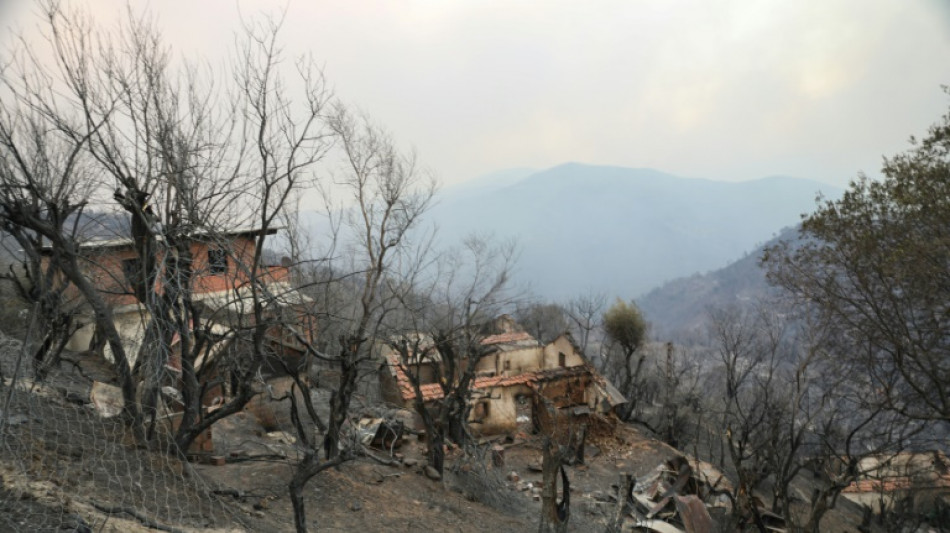
The official death toll from the blazes, which swept through the country's northeast during the summer, was 12 people, but witnesses have reported the deaths of dozens.
Algeria had upheld a moratorium on the death penalty since 1993, but in August, President Abdelmadjid Tebboune ordered the justice minister to amend the penal code to broaden the list of crimes for which capital punishment is allowed.
Lawmakers on Thursday also voted to extend capital punishment to child kidnappings involving torture, sexual assault or mutilation.
"The adoption of the death penalty for these acts is the appropriate legal response to curb these crimes," Justice Minister Lotfi Boudjemaa told parliament after the vote.
Despite the moratorium, some death sentences have been handed out, including in terror-related cases, though no executions have been carried out so far.
Tebboune had said that those sentenced to death would be executed once their appeals were exhausted.
The bill received the support of the ruling coalition, while a segment of the opposition objected to it.
"We voted in favor of this bill, given its importance not only legally but also politically and socially for Algerian society," Fatma Zahra Bensafi, an MP for the National Rally for Democracy party, told AFP.
The secular Rally for Culture and Democracy (RCD) party, however, voted against.
"We are opposed to the death penalty, and this is nothing new for the RCD," said MP Rachid Hassani. "Since its inception, the party has campaigned against capital punishment."
"We believe that the state does not exact revenge or kill," he added. "The state protects citizens."
- 'Foreign parties' -
Under the new law, anyone convicted of deliberately setting fire to "forests, woods or planted or unplanted fields" could face execution.
The same penalty could apply to anyone who "kidnaps a child by any means, tortures them, sexually assaults them and/or mutilates them".
Amnesty International last month urged Algeria not to adopt the law and to refrain from resuming executions.
The rights group described the move as "a deeply retrograde response", adding that authorities should instead "focus on protecting lives, strengthening prevention and emergency response" in the face of reoccurring wildfires.
The justice minister said the Algerian judicial system still provided safeguards for those facing the death penalty, including avenues for appeal or seeking a presidential pardon.
Yet Boudjemaa told parliament the tougher penalties were justified because arson had reached "the level of organised crime", adding that investigations had uncovered links to "foreign parties".
"Targeting the country's environmental and economic assets by deliberately setting fires, at times at the instigation of foreign actors, constitutes a clear form of treason and an attack on the integrity of the national territory," the minister said.
The law is now set to be reviewed by the Senate before being officially ratified by Tebboune.
Forest fires regularly erupt in northern Algeria during the summer, with climate change intensifying their impact due to increasingly frequent droughts and intense heat.
Tebboune has alleged "something criminal" as a cause of the latest summer blazes.
E.Dorame--LGdM