Russian ambassador slams EU frozen assets plan for Ukraine / Photo: © Belga/AFP

A European Union plan to use frozen Russian assets to fund Ukraine's fight against Russia would have "far-reaching consequences" for the EU, Moscow's ambassador to Germany warned on Friday.
His statement came as EU leaders seek more ways to keep Ukraine afloat as it faces increasing pressure on the battlefield.
"Any operation with sovereign Russian assets without Russia's consent constitutes theft," Sergey Nechaev said in a statement sent to AFP.
"It is also clear that the theft of Russian state funds will have far-reaching consequences," the statement added.
The EU on Wednesday laid out a plan to use frozen Russian assets to help fund Ukraine with 90 billion euros over the next two years, despite opposition from Belgium, where the bulk of the assets are held.
But Nechaev said the "unprecedented step" could "destroy the business reputation of the European Union and plunge European governments into endless lawsuits".
"In reality, it is a path to legal anarchy and the destruction of the foundations of the global financial system, which will primarily strike the European Union," he said.
"We are confident that this is understood in Brussels and Berlin."
- 'Constructive exchange': Merz -
European leaders are looking for fresh options as US President Donald Trump looks to end the war on terms they see as unfavourable to Kyiv.
They are seeking ways to fund a loan to Kyiv which, under the proposal, would be paid back by any eventual Russian reparations to Ukraine.
But Belgium, home to international deposit organisation Euroclear -- which holds most of the Russian assets -- has so far rejected the proposal because of potential legal repercussions.
Nechaev said the plan showed that Europe did not have the "considerable resources" required to keep supporting Ukraine.
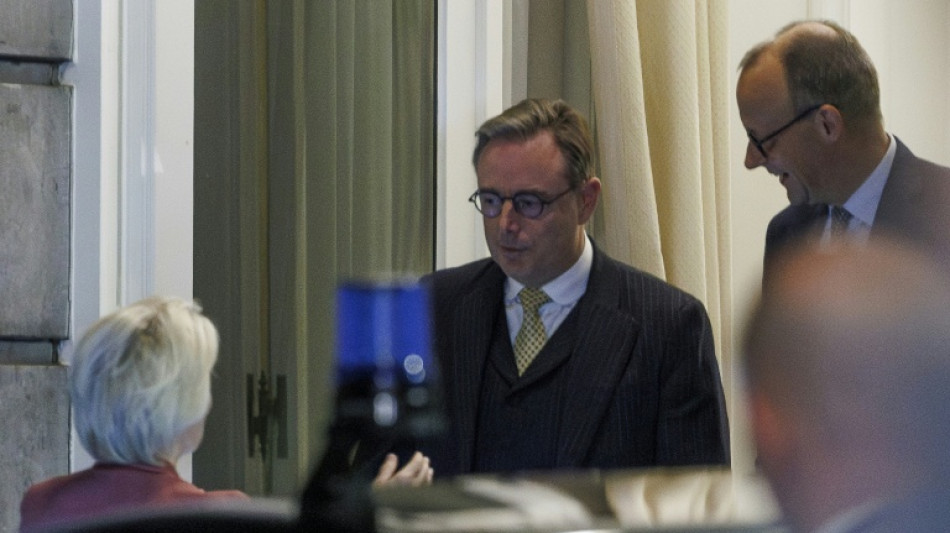
German Chancellor Friedrich Merz met Belgian Prime Minister Bart De Wever and European Commission President Ursula von der Leyen in Brussels on Friday to discuss the proposal.
In a statement after the meeting, Merz said it had been a "very constructive exchange".
The leaders agreed "to continue their discussions with the aim of finding a common solution" by their next summit on December 18 and 19, said Merz's spokesman Stefan Kornelius.
D.Ancira--LGdM